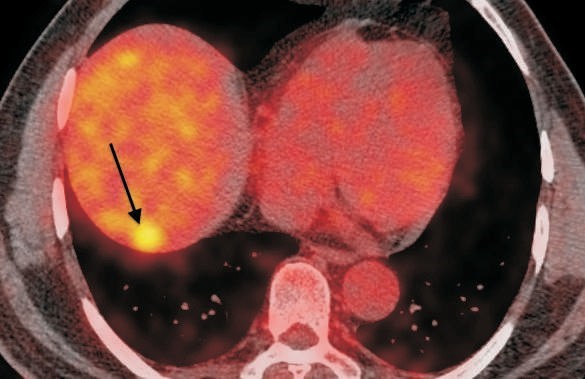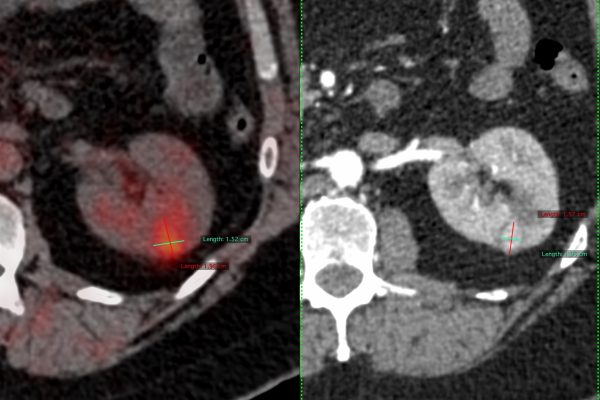
Why an In-House Gallium Generator Matters for Your DOTA PET Scan
When a doctor recommends a DOTA PET scan, patients often focus on the scan results, cost and appointment availability. However, there is another factor worth considering: how the imaging centre obtains and prepares the radioactive tracer used for the examination A DOTATATE/DOTANOC PET scan uses a carefully prepared radioactive tracer, and having a gallium-68 generator on-site can help imaging centres coordinate tracer preparation and appointments more effectively.
For patients undergoing neuroendocrine tumour imaging, this can make a practical difference to the scanning process.
- Better control over tracer preparation: On-site production allows the radio pharmacy team to manage important preparation and quality checks.
- Potentially more flexible scheduling: Local tracer production may reduce dependence on external supplies.
- Quality-focused imaging: Appropriate radiolabelling and quality control are essential before the tracer is administered.
What Makes a DOTA PET Scan Different?
A DOTA PET scan, commonly performed using Ga-68 DOTATATE/DOTANOC PET/CT, is an advanced imaging examination used to evaluate many well-differentiated neuroendocrine tumours (NETs). These tumours can develop in different parts of the body, including the digestive system and pancreas.
Many of these tumours have somatostatin receptors on their surface. The DOTATATE tracer binds to these receptors, allowing the PET scanner to identify areas of increased uptake.
This somatostatin receptor imaging helps specialists assess the location and extent of disease, support diagnosis and staging, and determine whether certain receptor-targeted treatments may be appropriate.
However, the quality of the examination depends on several factors, including the radiotracer preparation, imaging protocol and interpretation of the results.
How Does an In-House Gallium-68 Generator Work?
A Ge-68/Ga-68 generator is a specialised device that provides gallium-68 for preparing PET radiotracers. The generator contains germanium-68, which decays into gallium-68. The gallium-68 is collected through a controlled process and used to label a suitable compound such as DOTATATE.
The preparation involves more than simply obtaining the radioactive material. The radio pharmacy team must complete the radiolabelling process and carry out the required quality checks before the product can be used clinically.
Why on-site production matters
- Greater control over preparation: An in-house radiopharmacy can coordinate tracer production with the centre’s scanning schedule.
- Defined quality checks: Testing helps confirm that the prepared radiopharmaceutical meets applicable quality requirements before administration.
- Reduced dependence on external deliveries: The centre may have more control over production timing, although generator capacity, staffing and other operational factors still affect availability.
This approach is known as on-site radiopharmaceutical production. It can support a more coordinated workflow between radiopharmacy staff, nuclear medicine specialists and the imaging team.
Why Gallium-68 Availability Matters
Gallium-68 loses half of its radioactive activity in around 68 minutes. This means its radioactivity decreases relatively quickly after production. Consequently, the timing of preparation, quality control, administration and imaging must be carefully coordinated.
An in-house generator can help a centre produce the required radionuclide close to the time of the patient’s appointment.
The following comparison explains the practical differences.
| Factor | In-house generator | Externally supplied tracer |
| Tracer access | Produced at the centre | Depends on the supplier and delivery arrangements |
| Scheduling | May allow greater local flexibility | May depend on delivery timing |
| Quality control | Managed through the centre’s radio pharmacy procedures | Depends on the supply and quality assurance arrangements |
| Availability | Depends on generator output and staffing | Depends on supplier capacity and transport |
An in-house generator does not automatically guarantee better images or eliminate delays. Its main advantage is greater control over local production, provided the centre has suitable equipment, trained staff and established quality procedures.
Does an In-House Generator Improve Scan Quality?
A generator alone does not determine diagnostic accuracy. What matters is whether the radiotracer is prepared correctly, meets required quality standards and is administered according to the appropriate protocol.
For patients, fresh tracer quality should therefore be understood in terms of proper preparation, radiochemical purity and quality assurance, rather than freshness alone.
A well-managed radio pharmacy process supports:
- Reliable radiolabelling: Helps ensure the gallium-68 is appropriately attached to the DOTATATE compound.
- Quality verification: Checks confirm that the final product meets applicable specifications.
- Timely administration: Coordinated preparation helps account for the tracer’s short half-life.
These processes support dependable NET diagnosis and staging, but the final interpretation also depends on tumour characteristics, scan technique and specialist expertise.
Choosing the Right DOTA PET Scan Centre
If you have been advised to undergo a DOTA PET scan, look beyond appointment availability. The centre’s radio pharmacy arrangements and experience with neuroendocrine tumour imaging are also worth considering.
Before booking, ask:
- Does the centre have an in-house gallium-68 generator?
- What quality checks are performed before the tracer is administered?
- Is the scan interpreted by an experienced nuclear medicine specialist?
- How much does the scan typically cost, and is a doctor’s referral required?
If you are searching for a DOTA PET scan near me, these questions can help you compare providers more meaningfully. The DOTATATE PET scan cost may vary depending on the centre, location and services included.
Patients looking for a DOTATATE PET scan Australia should also check local referral requirements, availability and funding arrangements, as these differ between healthcare systems.
Book Your DOTA PET Scan with Confidence
Choosing an experienced imaging centre is an important step when investigating or monitoring a neuroendocrine tumour. Having a generator on-site can help streamline tracer preparation and appointment planning, but strict quality checks and expert scan interpretation are still crucial.
Contact Picture This by Jankharia to enquire about DOTA PET scan availability, referral requirements and appointment arrangements. Speak with your treating specialist and confirm the appropriate examination so that your diagnostic assessment can proceed without avoidable delays.
Frequently Asked Questions
A gallium-68 generator supplies the radioactive material needed to prepare certain PET tracers used in molecular imaging.
- Radionuclide supply: It produces gallium-68 from germanium-68 through radioactive decay.
- Tracer preparation: The collected gallium-68 is used in a controlled radiolabelling process.
- Clinical use: The final product must meet the required quality standards before administration.
Yes, neuroendocrine tumour imaging with Ga-68 DOTATATE/DOTANOC PET/CT can help locate receptor-positive tumours and assess their extent. It is particularly useful for many well-differentiated NETs.
- Disease mapping: Identifies suspicious areas throughout the body.
- Staging: Helps assess the distribution of tumour deposits.
- Treatment planning: May help determine eligibility for receptor-targeted therapy.
The findings should be assessed together with the patient’s medical history, symptoms and results from other tests.
An in-house generator may improve scheduling flexibility because the centre can coordinate tracer preparation locally. However, availability is not guaranteed.
- Production capacity: Generator output limits the amount available.
- Staffing and quality checks: Both affect appointment planning.
- Demand: Busy centres may still have waiting lists.
Ask the provider about its current appointment availability before making arrangements.
This examination uses a radioactive tracer and CT imaging, so it involves radiation exposure. The expected benefit should be weighed against the risks for each patient.
- Radiation exposure: Ask your specialist about the expected dose.
- Medical history: Inform the team about relevant conditions and medicines.
- Pregnancy or breastfeeding: Tell the imaging team in advance if applicable.
Follow the centre’s instructions before and after the examination.
DOTA PET scan preparation depends on the centre’s protocol and your treatment history.
- Medication guidance: Ask whether any medicines need special consideration.
- Previous treatment: Inform the team about somatostatin analogue therapy.
- Documents: Bring your referral, previous scans and relevant reports.
Always follow the instructions provided by your imaging centre.